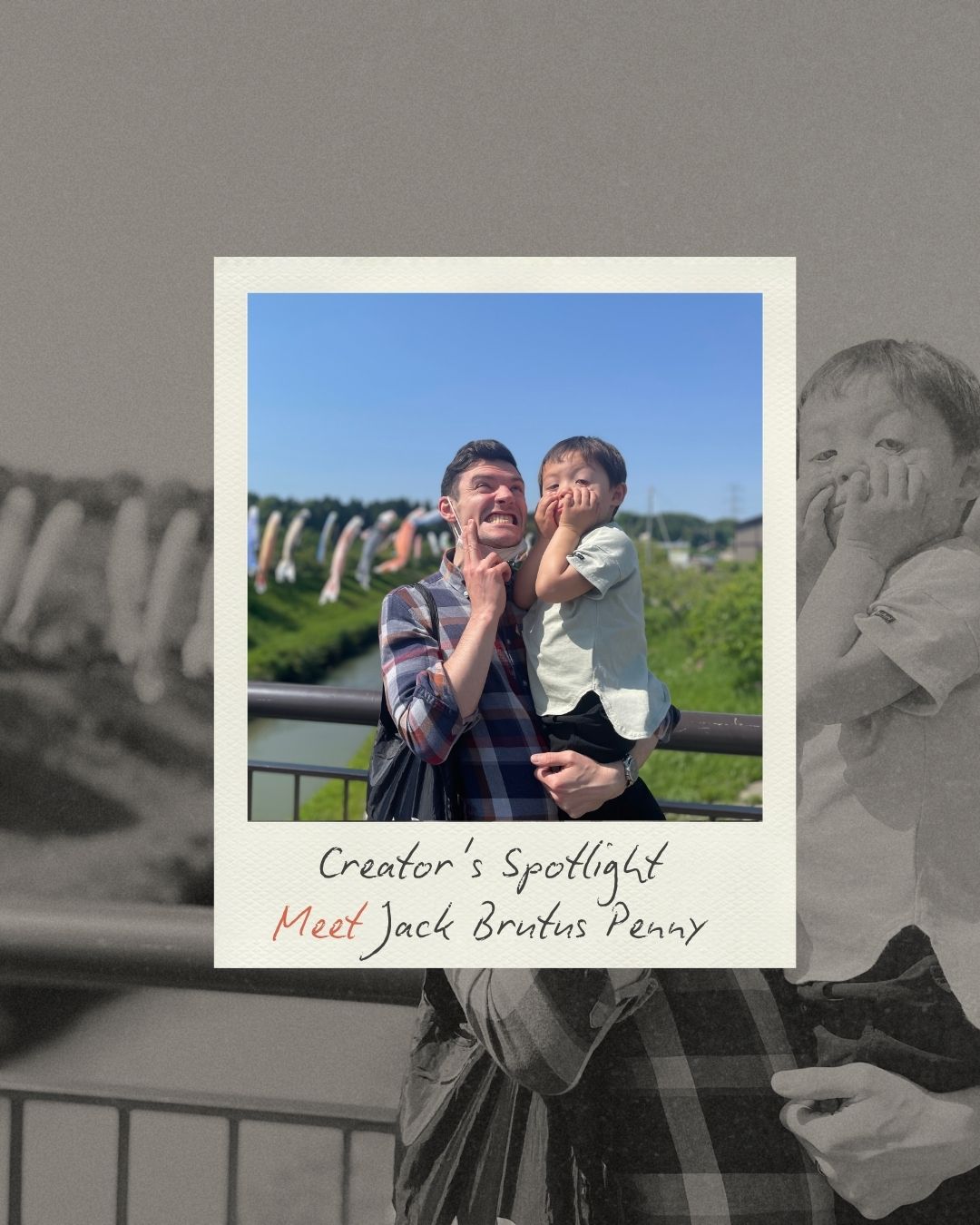
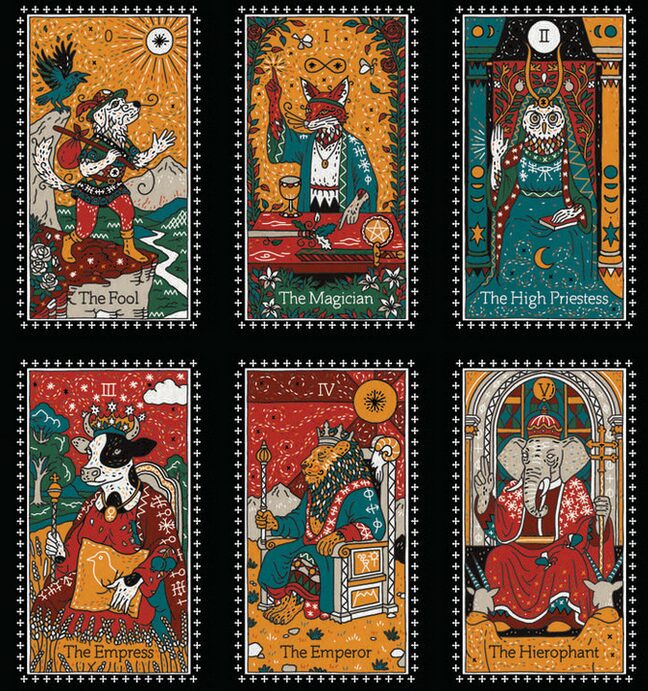
When I first wrote about Arcane Wildlife Tarot recently, it was clear that something a little unusual was taking shape. Jack Brutus Penny’s vision for the deck stood out not because it leaned on a familiar narrative about spiritual transformation, but because it began with a simple question: what if tarot could be less about authority and more about curiosity?
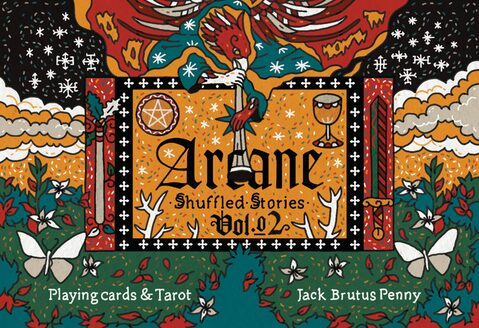
I followed up with Jack to explore how that idea moved from concept to cards. What emerged is a deck built around cooperation rather than prescription, a system designed to help readers ask better questions rather than provide exact answers. That difference, small as it sounds, shaped everything from the overall approach to the symbolic structure of the pip cards.
Jack describes the deck’s core idea as “not prescriptive but cooperative”. Instead of speaking from a place of judgement or rigid meaning, he says, it invites readers to engage with imagery that feels open rather than fixed. “Other animals don’t judge, have biases and prescribed expectations the way human society does,” he told me. Removing that pressure lets the reader arrive at insights in their own way. Jack wanted the deck to feel alive, more like a conversation than a lecture.
His path into tarot comes from a place familiar to anyone who follows his work. Before this, he had published books, designed playing cards, and even made Japanese white clay ceramic cups. Each project offered a new surface for visual storytelling, and tarot presented its own set of questions to explore.
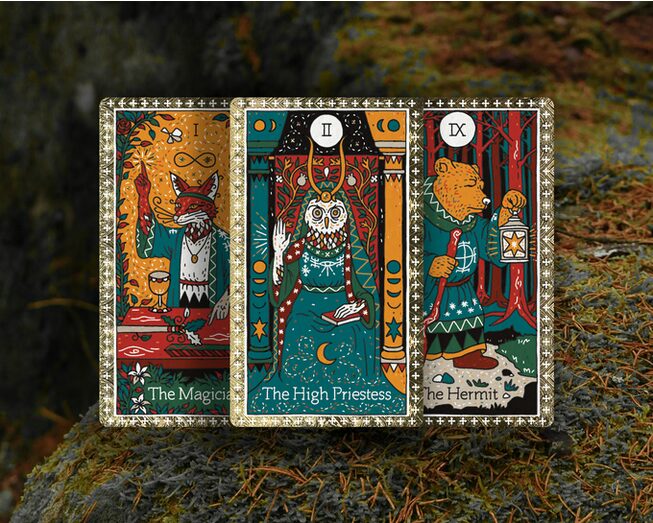
“I see each medium as a new canvas,” he says. “A new window to tell my stories.”
That approach led him to blend his playing card practice into the tarot format, exploring the historical and functional overlap between the two. The idea that “playing cards and tarot are cousins who pretend not to know each other” is both playful and practical. In past work, he experimented with images that only resolve when cards are fanned or arranged, treating the physical behaviour of the deck as part of the narrative itself.
For Arcane Wildlife, he wanted both sets of cards to feel useful in multiple ways: sturdy for games, expressive for readings, and rich enough to reward close attention.
The Minor Arcana became a space to let this thinking unfold. Rather than relying on static symbols, each number card offers a small scene drawn from an animal’s journey. Jack is careful not to spell out these narratives in the guidebook. He wants readers to feel guided, not instructed.
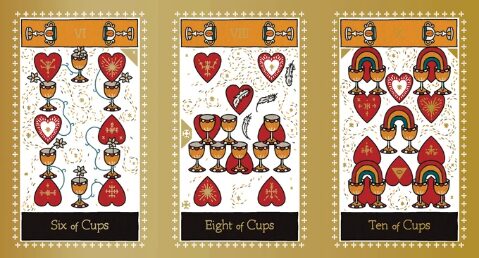
“I want it all to be guiding, not telling,” he said.
There are even visual secrets tucked into the work that he hopes will be discovered years from now. The idea of someone writing to him at eighty about a detail no one noticed until much later still makes him smile.
He describes his creative stance as a balance between planning and play. He starts as an “architect”, sketching structure, and then becomes a “gardener” as the work grows spontaneously. Sometimes that means rethinking even his favourite ideas. The Fool, for example, began with an open mouth expressing awe. But he realised that suggested youth defined the card’s meaning, which he did not intend. A small edit later, and the card felt truer to his vision.
Animals play a central role not just in imagery but in personal affinity. While I have taken to cards like the rooster as The Sun and the cow as The Empress, Jack’s own favourites are the stag and the bear. Growing up between the English countryside and Japan, deer and other wildlife were constant companions in his imagination, shaped by books and films like Princess Mononoke.
He did not set out to make a life between England and Japan, but a love of folklore and tradition drew him here. What began as a year of travel turned into something more enduring, and his work now carries that sense of cultural overlap.

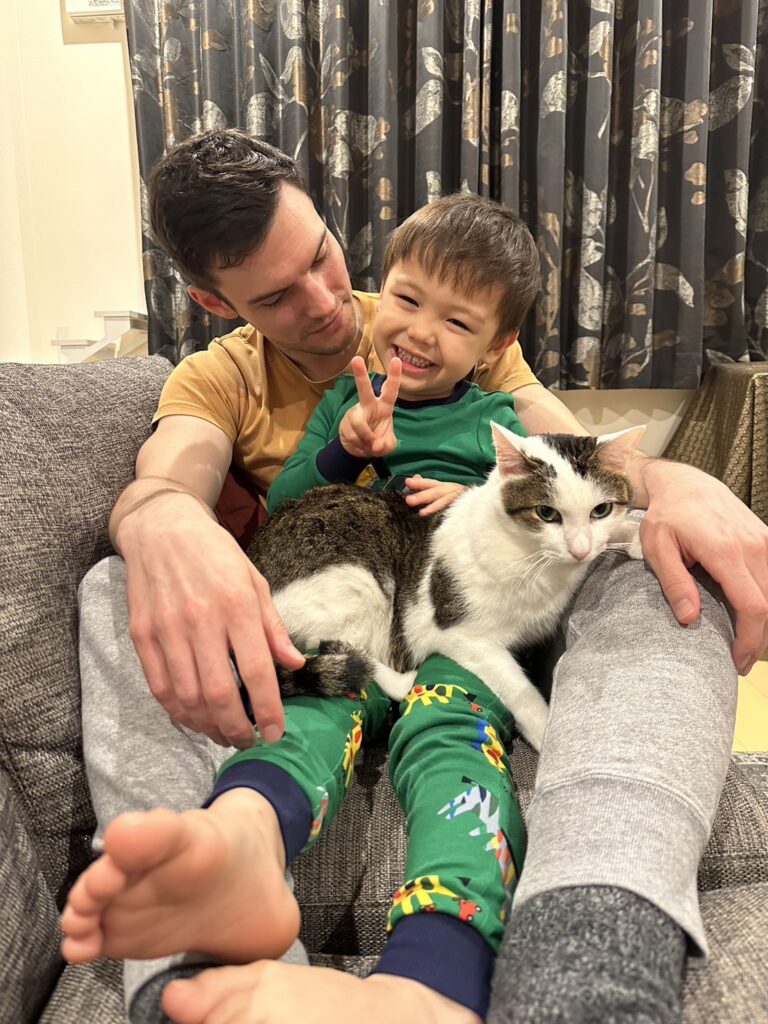
Animal welfare has become a quiet but persistent thread through his projects. He cannot trace it to one moment, but has always felt drawn to protect those who cannot protect themselves. Stories about animals touch him deeply, whether in film or games. That empathy translates into action: after funding, part of his project profits supports conservation work and wildlife care. Much of that goes to Animal Refuge Kansai, where he adopted his rescue cat, Galahad. The money helps with rescue operations, spaying programmes, and rehoming efforts. It is not framed as a headline claim, but as part of how he works.
Seven successful Kickstarter campaigns have taught him a few lessons. For Jack, crowdfunding is not a retail platform. It is a community built around making something that could not be made otherwise. He urges aspiring creators to be direct, honest, and present months before launch, not just on launch day.
“Understand what crowdfunding is,” he says. “It is a community for helping bring a vision to life.”
The Arcane Wildlife Tarot is still available for funding on Kickstarter. You can also follow Jack on Instagram and his website.
Leave a Reply