
There are tarot decks that promise clarity, and then there are decks that ask you to remain inside the question a little longer. The Liminal Deck sits firmly in that second space. Created by artist David McKinsey, it is shaped by thresholds, pauses, and moments that resist definition.
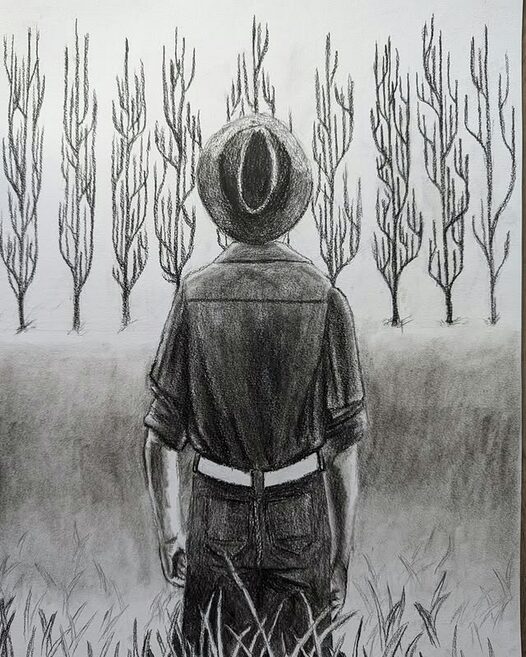
For David, liminality did not arrive as a single revelation. “It came from several directions,” he explains. “It’s more of a cumulative effect, the hindsight and pattern recognition connecting the dots.” What began as an aesthetic preference deepened into something psychological, even philosophical. He was drawn to the idea of spaces that feel unfinished but contained, expansive without being overwhelming. “It was infinite possibilities, but neatly contained. Not overcomplicated.”
Tarot became the framework that could hold this tension. David was interested in how tarot functions as a language, structured yet open, symbolic yet personal. “Any language needs a grammar in order to be understood,” he says. Starting from Rider Waite Smith allowed him to communicate clearly, but he gave himself permission to deviate when necessary. The result is a deck that feels faithful to tarot without being orthodox.
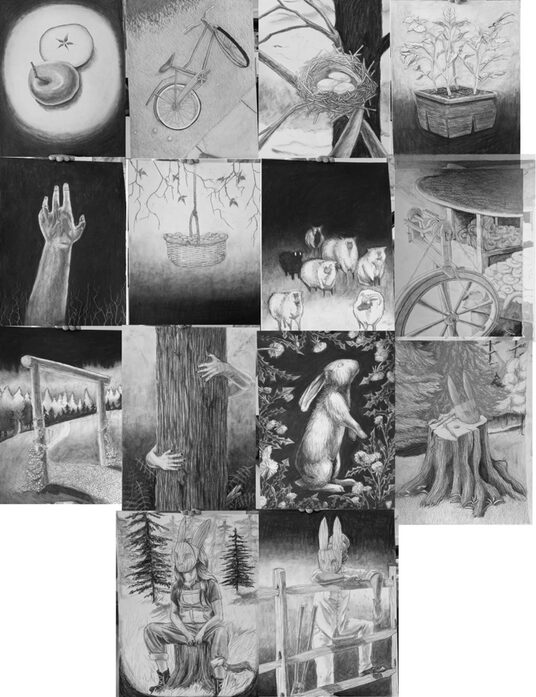
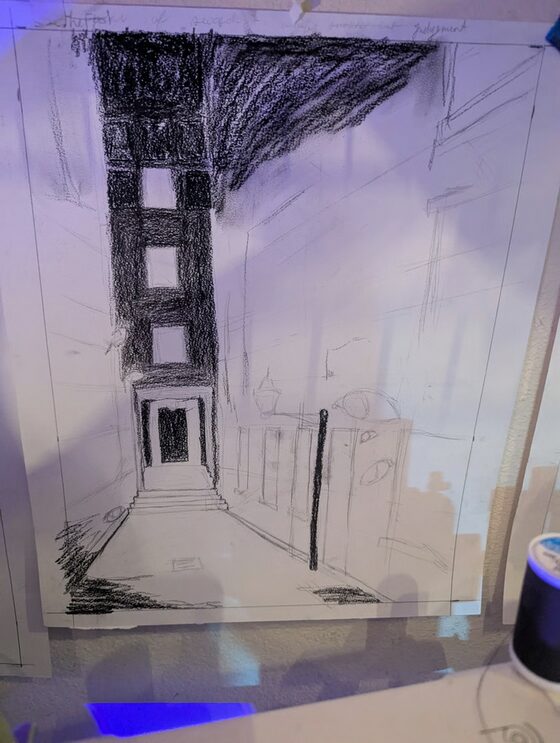
Much of the deck emerged intuitively. David did not rely on rigid planning or thumbnail sketches. Instead, he describes a process of asking and listening. “Some of the cards told me what they should be,” he says. “I asked, they answered, then I completed the piece.” His long-standing relationship with dreams, daydreams, and subconscious imagery played a key role here, shaped in part by years of severe migraines and aphasia that disrupted verbal thinking. “It’s given me an appreciation for thinking in pictures,” he reflects.
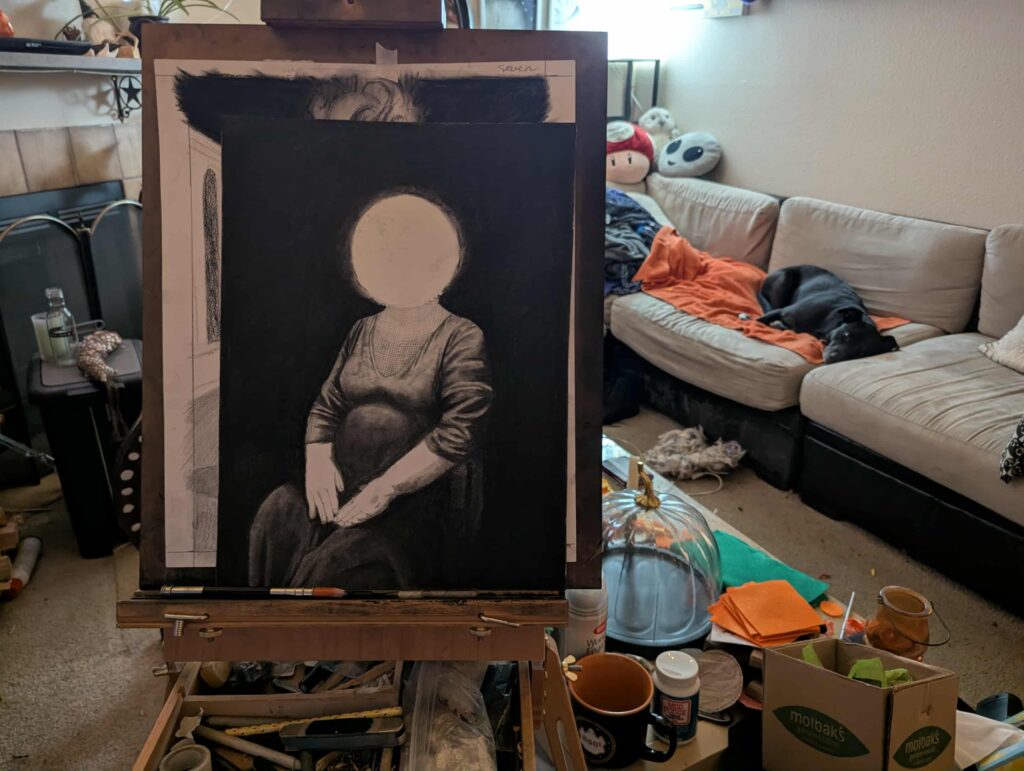
The decision to render the deck entirely in greyscale was deliberate. Colour, he felt, carried too many social and emotional associations. “Using greyscale on wildly surreal imagery is meant to push a reader into the liminal space,” he explains. Without colour directing interpretation, readers are given more freedom to find what resonates personally. “It gives you a little more permission to find what’s in it for yourself.”
Crowdfunding the project became its own liminal experience. Despite steady support, David remained cautious until the very end. “The realization came quite late in the campaign,” he admits. Even after funding, it took time for the reality to settle. Throughout the process, he has been notably transparent and candid, openly sharing both progress and uncertainty as the deck moved closer to completion. The response from backers, especially those reaching out from overseas, has stayed with him. “Sending a deck to a country with a language I couldn’t even fathom learning right now is a dream come true.”
When asked what advice he would offer first-time creators, David is both practical and protective. “Get as much done beforehand as you possibly can,” he says, and be wary of offers that promise exposure for a fee. Authenticity, he believes, is easily compromised if creators are not careful.
As for what comes next, David remains rooted in the present. There are illustrations to finish, ideas quietly forming, and new mediums calling for attention. “This work has always been intended as something to participate in,” he says. “It’s more about sharing the world, at least the lens, and letting people live in it.”
The Liminal Deck has funded successfully on Kickstarter. Follow David on Instagram, YouTube and his website.
Leave a Reply